
Soul ties are some of the most powerful bonds we can feel. But not all soul ties are the same. Some come from feelings. Others come from something deeper, something spiritual. Knowing the difference can change the way you see your relationships and yourself.
Soul ties are real connections between people. They go deeper than just liking someone or hanging out with them. They touch your heart, your mind, and sometimes your spirit. But here is the thing: not every soul tie works the same way. Some are built on emotions and feelings. Others are rooted in something spiritual, something beyond what you can see or touch.
Many people mix up emotional soul ties with spiritual ones. That is like mixing up rain with a river. Both involve water, but they come from different places and flow in different ways. If you do not know which kind of soul tie you have, it can be hard to understand your relationships. You might hold on to the wrong person. Or you might walk away from someone who was meant to stay.
Understanding the difference between emotional and spiritual soul ties is like having a map when you are lost in the woods. It helps you find your way. It helps you know which bonds lift you and which ones weigh you down. It gives you the power to grow, to heal, and to build connections that are truly good for you.
What Are Soul Ties?
A soul tie is a deep bond between two people that goes beyond the surface. Think of it like two trees whose roots have grown together underground. On the outside, they look like separate trees. But underneath, they are connected in ways you cannot see. That is what a soul tie feels like: a hidden link between your heart and someone else’s.
When you have a soul tie with someone, you feel them even when they are not around. Their happiness lifts you. Their pain pulls you down. It is not just about liking someone or spending time together. It is about a bond that runs deep, like a river that flows beneath the ground.
How Soul Ties Are Formed
Soul ties do not just appear out of nowhere. They are built over time through shared experiences, strong emotions, and meaningful moments. Here are some common ways soul ties form:
- Deep conversations — When you share your fears, dreams, and secrets with someone, you open a door to your soul. That kind of honesty builds a strong connection, like bricks building a bridge between two hearts.
- Shared pain or joy — Going through hard times together or celebrating big moments creates a bond that is hard to break. It is like going through a storm together — you never forget the person who held the umbrella with you.
- Physical closeness — Physical intimacy can create a powerful soul tie. When two people come together in that way, it is like mixing two colors of paint. Once they are blended, it is very hard to pull them apart again.
- Spiritual experiences — Praying together, worshipping together, or sharing a spiritual journey can create a bond that feels bigger than both people. It is like two candles burning side by side — their light blends into one.
- Long-term closeness — Spending years with someone, whether as friends, family, or partners, naturally builds a deep connection. Time is like stone water; it shapes the bond slowly but powerfully.
Common Types of Soul Ties
Not all soul ties look the same. Just like there are different kinds of weather, sunshine, rain, and snow, there are different kinds of soul ties. The most common ones are:
- Emotional soul ties — Built on feelings, closeness, and emotional experiences.
- Spiritual soul ties — Built on faith, spiritual growth, and a sense of divine purpose.
- Sexual soul ties — Built through physical intimacy and closeness.
- Trauma-based soul ties — Built through shared pain, fear, or toxic patterns.
I will mostly talk about the first two emotional and spiritual soul ties and help you understand how they differ, why they matter, and what you can do about them.
What Is an Emotional Soul Tie?

An emotional soul tie is a deep bond that forms through your feelings. It is not about what you believe or what you pray about. It is about what you feel. When someone makes you feel safe, loved, understood, or even excited, your heart starts to attach to them. Over time, that attachment grows into a strong emotional tie like a vine wrapping around a tree.
These ties are built on memories, shared moments, and emotional experiences. The stronger the feelings, the stronger the tie. And that is why emotional soul ties can be so hard to break because they are woven into the fabric of your feelings.
How Emotional Soul Ties Develop
Emotional soul ties grow slowly, like a plant growing roots. At first, the connection feels light and easy. You enjoy being around someone. You laugh together. You share stories. But as time goes on, the bond gets deeper. You start to need that person. You start to feel incomplete without them. It is like a puzzle; they become the missing piece.
Here is how it usually happens:
- You meet someone and feel a spark of connection.
- You share personal stories and build trust.
- You go through ups and downs together.
- You start to feel emotionally dependent on them.
- The bond becomes so strong that it feels impossible to let go.
This does not happen with everyone. It usually happens with people who touch our hearts in a special way, a best friend, a partner, a family member, or even a mentor who believed in us when no one else did.
Examples of Emotional Soul Ties in Daily Life
Emotional soul ties show up in all kinds of relationships. Here are a few examples:
A childhood best friend — You may not talk to them every day, but when you do, it feels like no time has passed. The bond is still there, like embers glowing under ash.
An ex-partner — The relationship ended, but your heart did not get the memo. You still think about them. You still feel a pull. That is an emotional soul tie at work.
A parent or grandparent — The love you feel for a parent who raised you with care is one of the deepest emotional ties you can have. It is like the roots of an old oak tree, strong, deep, and hard to move.
A coworker who became a close friend — You started as strangers, but after going through tough projects and late nights together, a real bond formed.
These emotional connections shape who we are. They influence how we feel, how we love, and how we handle life’s ups and downs.
Signs of Emotional Soul Ties
How do you know if you have an emotional soul tie with someone? Here are some clear signs:
Constant Thinking About Someone
If someone is always on your mind first thing in the morning, last thing at night, that is a sign of an emotional soul tie. It is like a radio station that is always playing in the background. You cannot turn it off, no matter how hard you try.
Emotional Dependency
When your mood depends on another person, when their happiness makes you happy, and their sadness makes you sad, that is emotional dependency. It is like being on a seesaw. When they go up, you go up. When they come down, you crash too.
Difficulty Moving On
You ended the relationship months ago, maybe even years ago, but you still feel stuck. Moving on feels like trying to walk through mud. Each step is heavy and slow. That is the weight of an emotional soul tie.
Deep Attachment After Separation
Even when distance separates you, you still feel connected. It is like a rubber band; no matter how far you stretch it, it keeps pulling you back. The attachment does not fade just because you are apart.
If you see yourself in these signs, you likely have an emotional soul tie. That does not mean it is bad; it just means the bond is strong and worth understanding.
What Is a Spiritual Soul Tie?
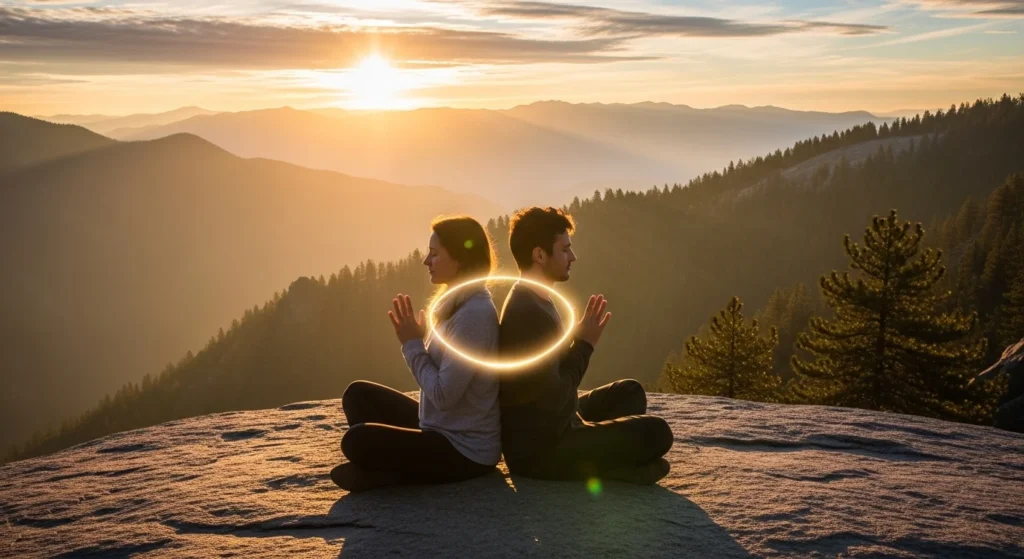
A spiritual soul tie is a connection that goes beyond feelings and emotions. It touches your spirit, the deepest part of who you are. While an emotional tie is like a warm blanket that wraps around your heart, a spiritual tie is like a light that shines inside your soul. It feels bigger than you. It feels like it has a purpose.
Spiritual soul ties are often connected to faith, purpose, and personal growth. They are not just about how someone makes you feel; they are about how that person helps you grow closer to your true self or to God. It is like planting a seed in good soil. The relationship helps something beautiful grow inside you.
Spiritual Connection Between People
A spiritual connection is different from a regular friendship or romance. It has a quality that is hard to put into words. You might meet someone and feel like your spirits are speaking the same language, even when your mouths are quiet. It is like two instruments playing in harmony, each one is different, but together they make something beautiful.
People with spiritual soul ties often feel like their meeting was not random. They feel guided toward each other, as if life or God placed them in each other’s paths for a reason. This is common in faith-based communities, where people pray together, study together, and walk through life’s challenges side by side.
The Role of Faith and Beliefs in Spiritual Bonds
Faith plays a big role in spiritual soul ties. When two people share the same beliefs, those beliefs become the foundation of their bond. It is like building a house on solid rock instead of sand. The connection is strong because it is built on something that does not shift with moods or seasons.
In many faith traditions, people believe that God creates certain connections for a purpose. The Bible talks about the friendship between David and Jonathan, whose souls were “knit together” (1 Samuel 18:1). This is one of the most well-known examples of a healthy spiritual soul tie, a bond built on love, loyalty, and shared faith. Many people look at that story and see what a true spiritual connection looks like, not clingy, not controlling, but free, strong, and full of respect.
Signs of Spiritual Soul Ties
Spiritual soul ties have their own special signs. Here is what they often look like:
Deep Inner Connection
You feel connected to this person at a level that goes beyond words or feelings. It is like two wells that are fed by the same underground spring. The connection runs deep, even when you cannot explain it.
Shared Spiritual Beliefs
You share the same faith, the same values, or the same way of seeing the world. This shared ground makes the relationship feel solid and meaningful, like walking the same path through a beautiful forest.
Feeling Guided Toward Someone
You feel like your meeting was not an accident. Something inside tells you that this person is in your life for a reason. It is like a compass pointing north, you just know.
Spiritual Growth Through the Relationship
The relationship makes you a better person. It pushes you to grow in your faith, character, and self-understanding. It is like rain on dry land; the bond brings life and growth to your spirit.
Spiritual soul ties often feel peaceful and purposeful. Unlike emotional ties that can swing between highs and lows, spiritual ties tend to feel steady like a calm river that flows without rushing.
Emotional vs Spiritual Soul Ties

Now, let us put them side by side so you can see the differences clearly. Think of this like comparing the sun and the moon; both give light, but in very different ways.
| Aspect | Emotional Soul Tie | Spiritual Soul Tie |
|---|---|---|
| Foundation | Based on feelings and attachment | Based on spiritual connection and purpose |
| How It Forms | Through shared experiences and emotions | Through deeper spiritual meaning and faith |
| Impact on You | Can create emotional dependency | Can encourage spiritual growth |
| Duration | May fade over time | Often feels deeper and more lasting |
| Feeling | Highs and lows, like a rollercoaster | Steady and peaceful, like a calm river |
| Risk | Can become unhealthy or obsessive | Can become unhealthy if used for control |
| Common Example | Ex, you can’t stop thinking about | A prayer partner who helps you grow |
As you can see, both types of soul ties are real and powerful. But they come from different places and affect you in different ways. An emotional soul tie is like a fire; it gives warmth, but if you are not careful, it can burn you. A spiritual soul tie is more like sunlight, gentle, steady, and life-giving.
Of course, many relationships have both emotional and spiritual elements. That is normal. The key is knowing which part is strongest and whether the bond is helping you or holding you back.
Can Emotional Soul Ties Become Spiritual?
Yes, they can. And it happens more often than people think. An emotional connection can grow into a spiritual one when the relationship starts to serve a higher purpose. It is like a caterpillar turning into a butterfly. The foundation is there, but it transforms into something new and more beautiful.
For example, two friends who met through school might start as an emotional bond — sharing laughs, supporting each other through tough times. But over the years, if they start growing in faith together, praying for each other, and helping each other become better people, that emotional tie can deepen into a spiritual one.
The same can happen in romantic relationships. A couple that starts with chemistry and attraction might grow into something deeper as they build a life based on shared values, mutual respect, and faith. The emotional spark lights the fire, but the spiritual connection keeps it burning.
This transformation does not happen on its own, though. It takes effort. It takes honesty. It takes a willingness to look beyond feelings and invest in something bigger. When both people are willing to grow, an emotional soul tie can become one of the most beautiful spiritual bonds you will ever know.
Emotional Soul Ties vs Trauma Bonds
What Is a Trauma Bond?
A trauma bond is a connection that forms through cycles of pain and comfort. It usually happens in unhealthy or abusive relationships. The person hurts you, then says sorry, then makes you feel loved, and the cycle repeats. It is like being on a merry-go-round that makes you dizzy, but you do not know how to get off.
Trauma bonds feel very intense. They can feel love. They can feel like a soul tie. But they are not the same thing. A trauma bond is built on fear, confusion, and pain, not on genuine love or respect.
Key Differences Between Trauma Bonds and Soul Ties
- Soul ties can be healthy or unhealthy. Trauma bonds are almost always harmful.
- Soul ties are built on connection and closeness. Trauma bonds are built on cycles of hurt and repair.
- Soul ties make you feel attached. Trauma bonds make you feel trapped.
- Soul ties can involve mutual respect. Trauma bonds usually involve control and manipulation.
If you are in a relationship where the love feels mixed with fear, confusion, or constant ups and downs, that is more likely a trauma bond than a soul tie. Knowing the difference is the first step toward healing. A soul tie pulls you close. A trauma bond holds you hostage.
Spiritual Soul Ties vs Twin Flame Connections
What Is a Twin Flame?
A twin flame is a concept that says two people share the same soul, split into two bodies. It is like one flame that was divided into two. Each person carries half the light. Twin flame relationships are often described as intense, challenging, and transformative. They push you to grow, but they can also bring a lot of pain.
The idea of twin flames comes from spiritual traditions and has become very popular in modern culture. Many people believe that meeting your twin flame is a once-in-a-lifetime event that changes everything.
Differences Between Twin Flames and Spiritual Soul Ties
- Spiritual soul ties can happen with many people in your life. Twin flames are believed to be one specific person.
- Spiritual soul ties are usually peaceful and growth-oriented. Twin flame connections can be turbulent and intense.
- Spiritual soul ties are recognised in both faith and psychology. Twin flames are mainly a spiritual concept.
- Spiritual soul ties encourage stability. Twin flame relationships often involve periods of separation and reunion.
Both are real experiences for many people. But a spiritual soul tie tends to feel more grounded and stable, while a twin flame connection can feel like riding a wave, exciting but unpredictable.
The Psychological View of Soul Ties
Psychology does not use the word “soul tie,” but it talks about the same kind of bonds. Psychologists call them emotional attachments. According to attachment theory, the way we bond with people as adults is shaped by our early relationships, especially with our parents or caregivers.
If you grew up in a home where love was steady and safe, you likely formed secure attachments and healthy bonds where you feel confident and comfortable. But if love felt unpredictable or was mixed with pain, you might form anxious or avoidant attachment bonds that swing between clinging and pulling away.
These attachment patterns explain why some people form very intense emotional soul ties. Their brains are wired to hold on tight, even when it hurts. It is like a plant growing toward light; you reach for what feels like love, even if it is not good for you.
Understanding your attachment style can help you understand your soul ties. It is not about blame. It is about awareness. When you know why you attach the way you do, you can start to make healthier choices in your relationships. Psychology gives us a lens to see these bonds clearly, and that clarity is powerful.
The Spiritual and Biblical View of Soul Ties
Many people of faith believe that soul ties are more than just emotions or brain chemistry. They believe they are spiritual connections, bonds that involve the soul, the spirit, and sometimes even divine purpose. It is like saying that God writes certain people into the story of your life for a reason.
The Bible does not use the exact phrase “soul ties,” but it describes the concept in several places. The friendship of David and Jonathan is one powerful example. The Bible says their souls were “knit together”, a bond so deep it was like two pieces of cloth woven into one (1 Samuel 18:1). This is what a godly, healthy spiritual soul tie looks like.
On the other hand, the Bible also warns about ungodly connections that pull you away from your values, your peace, or your faith. These are sometimes called ungodly soul ties. They form when a relationship is built on sin, manipulation, or unhealthy behavior. Paul wrote about being careful with the connections we form because they shape who we become (1 Corinthians 15:33).
Whether you look at it through the lens of faith or just good sense, the message is the same: the people you are tied to affect your life in deep ways. Choose your bonds wisely.
Healthy vs Unhealthy Soul Ties
Signs of Healthy Soul Ties
- You feel safe and respected in the relationship.
- The bond encourages you to grow and be your best self.
- There is mutual trust and honesty.
- You feel free, not controlled or trapped.
- The connection brings peace, not chaos.
- You support each other without losing your own identity.
A healthy soul tie is like a garden where both flowers bloom. Both people water the soil. Both people get sunshine. Neither one tries to take all the space or block the other’s light.
Signs of Toxic Soul Ties
- You feel trapped or unable to leave, even when the relationship hurts.
- The bond makes you feel anxious, confused, or drained.
- There is control, jealousy, or manipulation.
- You lose yourself in the relationship, your goals, your friends, your peace.
- The connection brings more pain than joy.
- You feel guilty for wanting to walk away.
A toxic soul tie is like a weed in a garden. It looks like it belongs there, but it steals nutrients from everything around it. If a bond makes you feel smaller instead of bigger, it is time to take a closer look.
How to Break Unhealthy Soul Ties
Breaking an unhealthy soul tie is not easy. It is like pulling a thorn out of your hand. It hurts, but you need to do it so the wound can heal. Here are steps that can help:
1. Self-Awareness
The first step is admitting the bond exists and that it is not healthy. You cannot fix what you will not face. Be honest with yourself about how the relationship makes you feel. Write it down if that helps. Sometimes seeing the truth on paper makes it easier to accept.
2. Emotional Healing
Give yourself permission to grieve. Letting go of a soul tie is a loss, even if the relationship was harmful. Cry if you need to. Talk to someone you trust. Let the sadness move through you like rain passing through clouds. It will not last forever.
3. Spiritual Practices
If you are a person of faith, prayer can be a powerful tool. Many people pray specifically to break soul ties, asking God to free them from unhealthy bonds. It is like asking for help cutting a rope that you cannot cut on your own.
4. Building Healthy Boundaries
Boundaries are like fences around a garden. They do not mean you do not care; they mean you are protecting what is inside. Set limits on contact, conversation, and emotional energy. It is okay to say, “I need space to heal.”
5. Professional Help
If the soul tie is deeply rooted, especially if it involves trauma, talking to a counselor or therapist can make a real difference. There is no shame in asking for help. A guide can show you paths you could not see on your own.
Breaking a soul tie does not mean you erase the memories or pretend the person never mattered. It means you choose your peace over the pain. It means you take back the parts of yourself that you gave away. And that takes courage.
How to Build Healthy Emotional and Spiritual Connections
Good soul ties do not just happen. They are built with care, like a house that needs a strong foundation. Here are three pillars that hold up healthy emotional and spiritual bonds:
Communication
Talk to each other. Not just about the weather or what is for dinner, talk about your feelings, your fears, your dreams. Real communication is like opening a window in a stuffy room. It lets fresh air in and makes everything feel lighter.
Mutual Respect
Respect is the soil that healthy bonds grow in. It means valuing the other person’s feelings, opinions, and boundaries even when you disagree. A relationship without respect is like a plant without soil. It cannot survive.
Shared Values
When two people share the same core values, honesty, kindness, faith, and loyalty, the bond becomes stronger naturally. It is like two boats sailing in the same direction. The journey is easier and more enjoyable when you are headed the same way.
Building healthy connections takes time and effort. But the result is worth it: relationships that lift you up, help you grow, and make you feel truly seen and valued.
Frequently Asked Questions (FAQ)
Are soul ties emotional or spiritual?
They can be either or both. An emotional soul tie is built on feelings and shared experiences. A spiritual soul tie is rooted in faith, purpose, and a deeper sense of connection. Many relationships have elements of both, like a tree with roots in two kinds of soil.
Can someone have both emotional and spiritual soul ties?
Yes, absolutely. In fact, some of the strongest relationships have both kinds of ties. An emotional bond gives the relationship warmth and closeness, while a spiritual bond gives it depth and purpose. Together, they create a connection that is both heartfelt and meaningful.
Are spiritual soul ties stronger than emotional ones?
Not necessarily stronger, but often deeper. Emotional soul ties can be very intense, like a fire. But spiritual soul ties tend to last longer and feel more grounded. They are like the roots of a tree not as visible, but they hold everything together.
How do you know if a soul tie is unhealthy?
If a soul tie makes you feel trapped, anxious, controlled, or unable to move on, it is likely unhealthy. Healthy soul ties bring peace and growth. Unhealthy ones bring confusion and pain. If you are always hurting because of a bond, that is a sign that something is wrong.
Can soul ties be broken?
Yes. It takes effort, time, and sometimes professional or spiritual help, but unhealthy soul ties can be broken. It starts with awareness, recognizing the bond and choosing to let go. Prayer, therapy, boundaries, and self-care are all tools that can help you heal and move forward.
Is it normal to have a soul tie?
Completely normal. Almost everyone has at least one soul tie in their life with a parent, a friend, a partner, or someone else who touched their heart deeply. Soul ties are part of being human. The important thing is knowing which ones help you and which ones hold you back.
Conclusion
Emotional and spiritual soul ties are two sides of the same coin. Both are real. Both are powerful. And both can shape your life in ways you may not even realize. The emotional kind comes from your heart, your feelings, your memories, your shared experiences. The spiritual kind comes from a deeper place: your spirit, your faith, your sense of purpose.
Understanding the difference matters because it helps you see your relationships more clearly. It helps you know when a bond is lifting you up and when it is holding you down. It gives you the wisdom to keep what is good and let go of what is harmful.
No matter what kind of soul tie you have, remember this: you deserve connections that bring peace, growth, and love into your life. You deserve bonds that feel like sunshine, not storm clouds. And if a tie is hurting you, you have the right and the strength to break free.
Take care of your heart. Take care of your spirit. And choose the connections that help you become the best version of yourself. You are worth it.