Have you ever felt tied to someone like a kite tied to a string? No matter how far you fly or how high you go, something keeps pulling you back to that person. You think about them when you wake up. You think about them when you go to sleep. It is like they left a handprint on your heart, and no amount of washing takes it away. Moments like this make many people wonder, are soul ties real, or is this deep pull simply the way our hearts and minds remember someone we once loved?
That feeling is what many people call a soul tie. Some believe it is a spiritual thing — a bond that goes deeper than words or feelings. Others say it is all in your head, a trick your brain plays because of chemicals and memories. And honestly? Both sides make good points.
What Are Soul Ties?
A soul tie is a deep bond between two people. It goes beyond just liking someone or being friends. It feels like your hearts are stitched together with an invisible thread. When they are happy, you feel it. When they are sad, you carry that weight too. It is like sharing one umbrella in the rain when one person moves, the other feels the shift.
People use the word “soul tie” in different ways. Some talk about it in church. Some talk about it in therapy. Some just use it to describe that one person they can never seem to forget, no matter how hard they try.
At the heart of it, a soul tie is about a deep human bond, one that shapes how you feel, think, and even act. These emotional bonds can be beautiful when they grow from love, trust, and respect. But they can also be painful when they come from hurt, control, or unhealthy closeness.
What People Mean When They Talk About Soul Ties
When someone says, “I have a soul tie with that person,” they usually mean one of a few things. They might mean they feel a pull toward someone that they cannot explain. They might mean they tried to move on, but keep going back. Or they might mean the connection feels bigger than anything they have felt before, like two rivers flowing into the same ocean.
It is not the same as just having a crush. A crush fades like morning fog. A soul tie sticks around like the scent of perfume on a jacket, faint, but always there.
The meaning of soul ties changes a little depending on who you ask. For some, it is about the spirit. For others, it is about feelings and memories. But everyone agrees on one thing: the bond is powerful and hard to shake.
Why People Believe Soul Ties Exist
People believe in soul ties because they have felt them. It is that simple. When you have a connection with someone that no words can fully describe, you start looking for a name for it. And “soul tie” fits like a glove.
Think about it this way. You meet someone. You spend time with them. You share your fears, your dreams, your worst days, and your best ones. Over time, that person becomes like a mirror reflecting parts of you that no one else sees. Walking away from that mirror feels like leaving a piece of yourself behind.
That is why people believe soul ties exist. Not because someone told them to, but because they lived it. The feeling is as real as the ground under your feet, even if you cannot hold it in your hand.
Why Do Soul Ties Feel So Strong?
Have you ever wondered why some connections hit harder than others? You might have dozens of friends, but only one person who makes your stomach flip and your chest feel heavy at the same time. That is because not all bonds are created equal.
Soul ties feel strong because they are built on layers like a cake with many tiers. One layer is emotion. Another is memory. Another is trust. Another might be physical closeness. When all those layers stack up, the bond becomes so thick that cutting through it feels like sawing through a tree trunk with a butter knife. You feel that emotional pull toward someone not because you are weak, but because the bond is deep.
Emotional Attachment and Human Connection
Humans are made for connection. We are like puzzle pieces; we need other pieces to feel complete. When you find someone who fits your edges just right, your heart holds on tight. That is emotional attachment, and it is perfectly normal.

But sometimes the attachment becomes so strong that it feels like a chain instead of a hug. You feel like you cannot breathe without that person. You feel incomplete without them. That is when a healthy bond turns into something heavier. The love is still there, but so is the weight.
The Role of Shared Experiences in Relationships
Think of every shared experience like a brick. Each laugh, each cry, each late-night talk adds another brick. Over time, you build a wall, a wall of memories that stands between you and the rest of the world. That wall makes you feel safe. It makes you feel known.
But when the relationship ends, the wall does not just fall on its own. It stays. And every time you walk past it, every time a song, a smell, or a place reminds you of that person, you bump into that wall again. That is why shared experiences make soul ties feel so strong. The memories are bricks, and bricks do not crumble easily.
Psychological Explanation of Soul Ties
Now, let us put on our science hat for a minute. Psychology does not use the term “soul tie,” but it has its own words for the same thing: emotional bonding, psychological attachment, and emotional dependency. These are all fancy ways of saying, “I feel connected to this person, and I cannot let go.”
From a psychological point of view, strong emotional bonds form when two people share something meaningful. It could be a deep talk, a hard time they went through together, or years of being close. The brain remembers all of it. It stores those moments like files on a computer. And when the person leaves, the brain keeps opening those files, again and again.
That is the psychological explanation of soul ties. It is not magic. It is your brain doing what it was built to do: remember, protect, and hold on to what once made you feel safe. The bond feels spiritual because it is that deep. But the roots? They are planted in your mind.
How Emotional Bonds Form in Relationships
Emotional bonds form step by step, like building a sandcastle. First, you share a conversation. Then a secret. Then a fear. Each one adds a new layer. Before you know it, the castle is tall and strong. You did not plan to build it; it just happened.
That is how emotional attachment in relationships works. It builds over time, piece by piece. And the more you share, the harder it is to walk away. Because walking away feels like kicking over a sandcastle that took years to build. Your heart does not want to do that even when your head says you should.
Emotional Dependency and Relationship Attachment
There is a thin line between needing someone and depending on them. Needing someone is normal, like needing water on a hot day. But emotional dependence in relationships is different. It is like needing water to breathe. Without the other person, you feel like you are drowning.
This kind of dependency often grows in relationships where one person gives too much, and the other takes too much. The giver starts to lose themselves. They forget what they like, what they want, and who they were before the relationship. They become like a plant that leans so far toward the sun that it cannot stand on its own anymore. That is emotional dependency, and it is one of the strongest parts of a soul tie.
Attachment Theory and Emotional Bonds
In psychology, there is a big idea called attachment theory. It says that the way you bonded with your parents or caregivers as a baby shapes how you bond with people for the rest of your life. It is like the first recipe you ever learned; you keep using it, even when you grow up, even when it does not taste good anymore.
If you grew up feeling safe and loved, you probably have what experts call a secure attachment style. You can get close to people without losing yourself. But if your childhood was rocky — if love came and went like a flickering light, you might have an anxious or avoidant attachment style. And that changes everything about how you form soul ties.
Secure, Anxious, and Avoidant Attachment Styles
People with secure attachment are like oak trees. They can bend in the wind without breaking. They love deeply but do not crumble when things get hard.
People with anxious attachment are like vines. They wrap around others because they are afraid of being alone. They hold on tight sometimes too tight because they fear the other person will leave. This is why anxious people often form intense soul ties. The fear of losing someone makes the bond feel even stronger.
People with avoidant attachment are like turtles. They pull into their shell when things get too close. They want love but are scared of it at the same time. They might form a soul tie and then push the person away, which creates a confusing push-and-pull that hurts everyone involved.
How Attachment Styles Affect Relationships
Your relationship attachment psychology plays a huge role in how deep your soul ties go. If you are anxious, you might cling to people. If you are avoidant, you might run from people you love. Either way, the bond is there; it just shows up differently.
Understanding your attachment style is like getting a map before a road trip. It does not change the road, but it helps you see where you are going and why you keep taking the same turns. And once you see the pattern, you can choose a different path. Your nervous system and attachment patterns work together behind the scenes, pulling strings you might not even notice.
Brain Chemistry of Emotional Bonds
Here is the thing most people do not realize: love is partly a chemical reaction. Your brain is like a tiny factory, and when you fall in love or get close to someone, that factory starts pumping out special chemicals. Two of the big ones are dopamine and oxytocin.
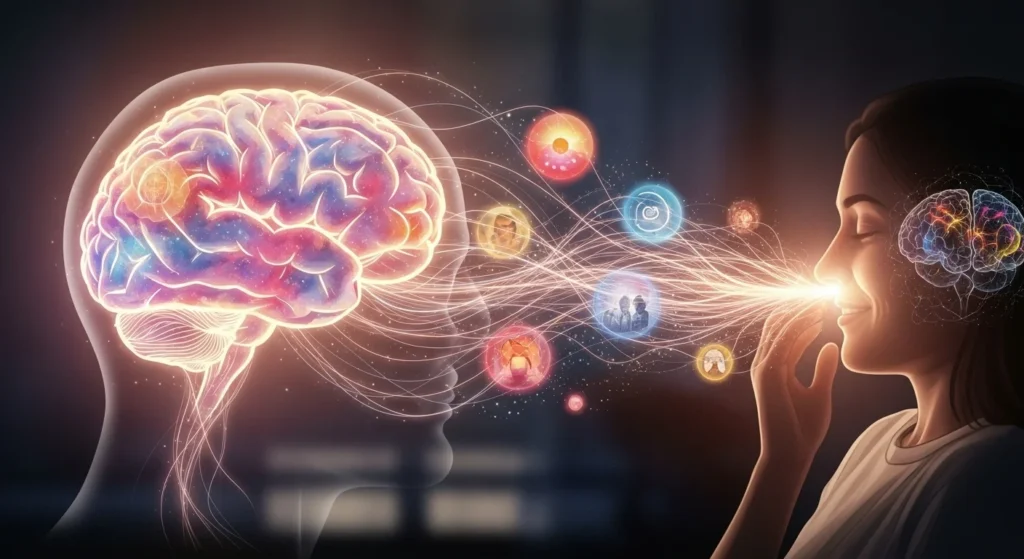
Dopamine is the “feel-good” chemical. It is the same one that fires up when you eat your favorite food or win a game. When you are with someone you love, your brain floods with dopamine. It says, “This feels amazing. Do it again.” That is why being with that person feels like sunshine on your face, warm, bright, and addictive.
How the Brain Forms Emotional Bonds
Oxytocin is the “bonding” chemical. It comes out during hugging, cuddling, or being close to someone. It is like glue for your heart. The more time you spend with a person, the more oxytocin your brain makes, and the stronger the bond gets.
Together, dopamine and oxytocin create a brain reward system that makes you crave that person. It is not that different from craving sugar. Your brain says, “That person makes me feel good. I want more.” And just like that, a soul tie is formed not in your spirit, but in your brain chemistry.
Why Love and Attachment Can Feel Addictive
This is why love can feel like an addiction. Because, in a way, it is. Your brain gets used to those feel-good chemicals, and when the person leaves, your brain panics. It is like someone pulling the plug on a nightlight. Suddenly, the room is dark, and you do not know what to do.
That is the science behind why soul ties feel so real. Your brain is wired for connection, and when that connection breaks, it feels like something inside you is broken too. It is not a weakness. It is not being dramatic. It is your brain reacting to a loss of something it learned to depend on.
Why Breakups Feel Like Withdrawal
Have you ever noticed that a breakup can feel like being sick? Your chest hurts. You cannot eat. You cannot sleep. You feel cold and hollow, like someone scooped out a part of you with a spoon. That is not just sadness; it is actual withdrawal.
When you lose someone you were deeply bonded with, your brain goes through the same kind of withdrawal that happens when someone stops a habit cold turkey. The dopamine stops flowing. The oxytocin dries up. Your brain screams, “Where did the good stuff go?” And that scream is what we feel as heartbreak.
Emotional Withdrawal After Relationships
After a breakup, you might feel numb, angry, sad, or all three at once. That is your nervous system and attachment response kicking in. Your body is used to having that person around. When they are gone, your body does not know how to calm down. It is like a dog waiting by the door for an owner who is not coming home.
You might check your phone a hundred times. You might drive past their house. You might replay old conversations in your head like a movie on loop. All of this is normal. It is your brain trying to get back what it lost. The emotional connection after a breakup does not just disappear. It fades slowly, like ink washed by rain.
Why Letting Go of Someone Is So Difficult
Letting go is hard because your brain does not have a delete button. You cannot erase someone from your memory the way you erase words on a chalkboard. Every place you went together, every song you shared, every inside joke, they are all still there, sitting in your mind like old furniture in a room you are trying to empty.
And the truth is, you do not really need to erase them. You just need to stop letting those memories control your present. It takes time. It takes patience. It is like waiting for a bruise to heal; you cannot rush it, but it does get better. That is why breakups feel like withdrawal. Your heart needs time to learn a new rhythm without that person in it.
Spiritual View of Soul Ties
Not everything can be explained by brain chemicals and psychology. For millions of people around the world, soul ties are a spiritual phenomenon, something that happens in a space you cannot see or touch. It is like the wind. You cannot hold it, but you can sure feel it.
In many faith traditions, people believe that when two souls connect deeply, a bond is formed in the spiritual world. This bond can bring peace and growth if it is rooted in love and respect. But if it grows from control, fear, or sin, it can lead to spiritual bondage, a heaviness on the soul that makes it hard to move forward.
Faith Perspectives on Soul Connections
In Christianity, people often point to the story of David and Jonathan in the Bible. Their souls were “knit together” in a beautiful picture of deep, godly friendship. This is seen as a healthy, spiritual connection between people that lifts both souls higher.
On the other hand, some faith leaders warn about ungodly soul ties and bonds that pull you away from your values, your peace, and your relationship with God. These are the ties that feel less like a bridge and more like a cage. They hold you in place when your spirit knows it is time to walk.
Spiritual Beliefs About Deep Emotional Bonds
Whether you follow a specific religion or not, many people feel that some connections go beyond the physical world. It is that moment when you meet someone and feel like you have known them your whole life. It is that sense of knowing what they are feeling, even when they do not say a word.
The debate between spiritual belief and psychology does not have to be an either-or question. Many people hold both truths at the same time. They believe the brain plays a role, and they also believe something bigger is at work. Like a coin, one side is science, the other is faith, and both sides are part of the same thing.
Are Sexual Soul Ties Real?
This is one of the most asked questions. And the short answer is: yes, something real does happen when two people share physical closeness. Whether you call it a soul tie or an emotional bond through intimacy, the effect is the same: you feel closer to that person in a way that is hard to undo.
During physical closeness, your brain releases a wave of oxytocin and dopamine. It is like mixing two colors of paint. Once they blend, you cannot separate them back into their original shades. That is what happens emotionally. The closeness creates a bond that sticks. And the more times it happens, the stronger that bond becomes, like adding more layers of paint.
Emotional Bonding Through Physical Intimacy
Physical closeness is not just about the body. It is about trust, vulnerability, and letting someone see a side of you that no one else sees. That kind of openness creates a strong emotional bond. It is like opening a door that you usually keep locked. Once that door is open, closing it again is not easy, especially if the other person walked through it and left footprints on the floor.

This is why breakups after a physical relationship can hurt more. The bond is deeper because more layers are involved. The emotional thread is thicker, and cutting it takes more time and more healing.
Psychological Effects of Intimate Relationships
From a psychological view, physical closeness activates the same reward centers in the brain as food, music, and comfort. It creates a loop: closeness brings pleasure, pleasure brings craving, and craving brings more closeness. When that loop breaks through a breakup or separation, the brain feels the loss deeply. It is like taking away the only song that helps you sleep. You feel restless, uneasy, and lost.
Trauma Bonds vs Soul Ties
Not every strong connection is a soul tie. Sometimes, what feels like a deep bond is actually a trauma response in relationships. A trauma bond looks like love from the outside, but on the inside, it is held together by fear, pain, and confusion. It is like a bridge made of tape instead of steel; it holds for a while, but it is not safe.
In unhealthy relationships, the cycle of pain and comfort creates a bond that is very hard to break. The person hurts you, then says sorry, then makes you feel special, then hurts you again. Your brain gets confused. It starts mixing up love and pain. And that mix becomes glue that keeps you stuck.
What Is a Trauma Bond?
A trauma bond is a connection formed through repeated cycles of abuse and comfort. It is like a roller coaster, the highs feel really high, and the lows feel really low. And the ups and downs happen so fast that you never have time to step off the ride and think clearly.
People in trauma and abuse connections often say things like, “I know they are bad for me, but I cannot leave.” That is the trauma bond talking. It is not love. It is survival mode. Your brain holds on because it does not know any other way to feel safe. Like a child hugging a broken toy because it is the only one they have.
How Trauma Bonds Are Different From Soul Ties
A soul tie can be healthy or unhealthy. A trauma bond is always harmful. A soul tie might bring you peace, joy, or growth even when it is hard. A trauma bond only brings confusion, fear, and pain dressed up as love.
Think of it like this: a soul tie is like rain. It can water your garden and help you grow, or it can flood your house if there is too much. But a trauma bond is like acid rain; it looks the same on the surface, but it burns everything it touches. If your bond makes you feel scared, small, or trapped more often than it makes you feel loved, it might not be a soul tie at all. It might be a trauma bond. And that is something that needs professional help to heal.
Signs You Might Have a Soul Tie
Not sure if you have a soul tie? Here are some common signs of soul ties to look for:
- Obsessive thoughts about a person. You think about them all the time, first thing in the morning, last thing at night. It is like a song on repeat that you did not press play on.
- Difficulty moving on. Even after months or years, you still feel tied to them. Other people come and go, but this person stays in your head like furniture that will not budge.
- Emotional turmoil. Your mood swings up and down based on what this person does or says. One nice text and you are on top of the world. One cold reply and you feel like the floor dropped out from under you.
- Recurring dreams about them. You see them in your sleep, vivid, real, like they are standing right there. You wake up feeling heavy, confused, or longing for them.
- Feeling like something is missing. Without them, you feel a gap in your life like a puzzle with one piece gone. Nothing else fills it, no matter what you try.
- Emotional dependency. You rely on them for your happiness, your peace, your sense of worth. When they pull away, you feel like a kite with no wind, just falling.
If you see yourself in two or more of these signs, there is a good chance you have a soul tie. But remember, having a soul tie is not a bad thing by itself. It only becomes a problem when it keeps you stuck, hurting, or unable to grow.
Can Emotional Bonds Be Broken?
Yes. Emotional bonds can be broken. It is not easy, and it takes time, but it is possible, like untangling a knotted necklace. You have to be patient, gentle, and willing to work at it, even when it feels like the knot will never come loose.
The first step is recognizing that the bond exists. You cannot fix what you do not see. Once you name it, you take away some of its power. It is like turning on the light in a dark room; the shadows are still there, but they are not as scary.
Next comes emotional healing after a breakup. This looks different for everyone. For some, it means talking to a counselor. For others, it means journaling, praying, or spending time with people who lift them. The goal is not to forget the person but to stop letting their memory control your life.
Setting boundaries is also important. If you keep going back to the same person, the same conversations, the same patterns, the bond will stay strong. But if you create distance, physical and emotional, the tie starts to loosen. It is like letting go of one end of a rope. The other person might still be holding on, but your hands are free.
The psychological reasons for strong emotional bonds are real, but so is your ability to heal from them. You are not stuck forever. You are just in the middle of learning how to let go. And letting go does not mean you did not love them. It means you love yourself enough to move forward.
Are Soul Ties Real Biblically?
The Bible does not use the exact words “soul tie,” but it talks about deep bonds between people in many places. In 1 Samuel 18:1, it says that the soul of Jonathan was “knit with the soul of David.” That word knit paints a picture of two threads woven together so tightly that you cannot pull them apart without tearing the fabric.
From a biblical point of view, soul ties are real, but they come in two forms. Godly soul ties are bonds built on love, trust, and faith. Think of a marriage built on respect, or a friendship rooted in prayer. These ties are like anchors; they hold you steady in the storm.

Ungodly soul ties, on the other hand, are bonds that pull you away from God, your peace, and your purpose. They form through sin, manipulation, or unhealthy closeness. The Bible warns about these ties because they weigh the soul down like stones tied to your ankles while you are trying to swim.
So are soul ties real biblically? Yes, but the question is not just whether they are real. The question is whether the tie you have is lifting you or pulling you under. The Bible encourages bonds that bring you closer to God and warns against bonds that drag you away. It is up to each person to be honest with themselves about which kind of tie they are holding onto.
Final Thoughts
So, are soul ties real? The honest answer is: it depends on how you look at it. If you mean, “Do deep emotional bonds between people exist?” Yes, 100 percent. Science proves it. Psychology explains it. Faith confirms it. Your own heart has probably felt it.
The truth is, soul ties are not just one thing. They are where emotion meets memory, where brain chemistry meets the spirit, where love meets loss. They are as real as the tears you cry when someone leaves and as real as the peace you feel when the right person stays.
Whether you lean toward the spiritual side or the science side, the most important thing is this: be kind to yourself. If a bond is lifting you up, hold onto it. If a bond is pulling you down, it is okay to let go. You are not betraying anyone by choosing your own well-being. You are simply learning to walk forward one step, one breath, one day at a time.
If you found this helpful, check out our guide on types of soul ties for a deeper look at emotional, sexual, spiritual, and trauma-based bonds.
Frequently Asked Questions
Are soul ties real or psychological?
Both. Psychology shows that deep emotional bonds are real and rooted in brain chemistry and attachment patterns. Many faith traditions also recognize spiritual connections between people. The two views do not cancel each other out — they work together like two sides of the same coin.
Why do emotional bonds feel so strong?
Emotional bonds feel strong because they are built on layers of shared experiences, memories, trust, and brain chemicals like dopamine and oxytocin. The more layers there are, the thicker the bond — and the harder it is to break. It is like a rope made of many threads twisted together.
Can soul ties be one-sided?
Yes. One person can feel deeply tied to someone who does not feel the same way in return. This often happens when one person invests more emotionally, or when one person has an anxious attachment style. It is like holding one end of a rope that the other person has already dropped.
Are sexual soul ties real?
Yes, physical closeness releases bonding chemicals in the brain, especially oxytocin. This creates a strong emotional link between two people. The more physical closeness is shared, the deeper the bond grows. That is why breakups after intimate relationships often hurt more.
How long do soul ties last?
There is no set timeline. Some soul ties fade in weeks, and others last for years. It depends on how deep the bond was, how long the relationship lasted, and what steps you take to heal. With the right support and self-care, even the strongest ties can loosen over time.
Can soul ties be broken?
Yes. Soul ties can be broken through self-awareness, emotional healing, boundary-setting, prayer (for those who are spiritual), and professional support. It takes time and patience, but healing is always possible. The bond may never fully disappear, but it can stop controlling your life.