A soul tie is like an invisible rope that links two hearts together. Some ropes are soft like silk; they feel warm and safe. Others are rough, like old chains; they rub your skin raw and hold you in place when you should be walking away.
People form soul ties for many reasons. Sometimes it happens through love. Sometimes through pain. Sometimes, through a shared moment so deep that it leaves a mark on your spirit like a footprint pressed into wet cement. You may not see the mark right away, but it hardens over time and stays.
In this guide, we are going to walk through the different types of soul ties: emotional, sexual, spiritual, and trauma-based. We will look at how each one forms, what it feels like, and whether it helps you or hurts you. We will also talk about the signs and symptoms of soul ties, what the Bible says, and how to break free from ties that no longer serve your peace.
Whether you are trying to understand a bond you cannot explain, or you are trying to heal from one that left you broken, this article is for you. Let us start from the beginning.
What Is a Soul Tie?
Before we talk about the types, let us make sure we understand the basics. What are soul ties, really? In plain English, a soul tie is a deep bond between two people that goes beyond normal feelings. It is not just liking someone. It is not just caring about someone. It is a connection that seems to live inside your bones.
Think about it this way. Normal relationships are like two houses standing next to each other on the same street. You can visit, you can wave from the window, and you can walk away whenever you want. But a soul tie is like two houses that share the same wall. If one house shakes, the other one feels it too. If one house catches fire, the heat reaches both.
Soul ties form through three main doors: emotions, physical closeness, and spiritual experiences. When you share something deep with another person, your fears, your body, your prayers, a bridge gets built between you. Sometimes that bridge is strong and beautiful, like one made of stone. Other times, it is wobbly and dangerous, like one made of old rope hanging over a cliff.
A soul tie can be like a vine that wraps around two trees growing close; sometimes it helps them stand taller, and sometimes it strangles them both.
The emotional attachment that comes with a soul tie is different from a regular crush. A crush fades like morning fog. But a soul tie sticks. It is the reason you can be five years past a breakup and still feel a sharp pang in your chest when their name pops up on your phone.
This kind of spiritual bond is talked about in cultures all over the world. From ancient scripture to modern self-help books, people have always tried to name this invisible force that binds one person to another. And the more we understand it, the more power we have over it.
Signs and Symptoms of Soul Ties
How do you know if you have a soul tie with someone? Sometimes you just feel it, like how you know rain is coming before the first drop falls. But here are some clear signs of soul ties and soul tie symptoms that many people experience:
Constant Thoughts About a Person
They show up in your mind like an uninvited guest who never leaves. You are brushing your teeth, and suddenly you remember the way they laughed. You are at work, and you catch yourself wondering what they are doing right now. It is not a choice; these thoughts just come, like waves that keep washing over the same shore.
Strong Emotional Dependency
Your happiness starts to orbit around them like a planet around the sun. When they text, you feel alive. When they go quiet, the whole sky feels gray. You lean on them for your sense of worth, your sense of peace, your sense of self. That is not love; that is dependency. And it is one of the loudest emotional attachment symptoms of a soul tie.
Feeling Incomplete Without That Person
You used to be a whole person. You had your own opinions, your own dreams, your own laugh. But after this bond formed, it feels like a piece of you walked away with them. Like a puzzle missing one piece, the picture is there, but it is not finished. That feeling of emptiness is a classic sign of a deep soul tie.
Emotional Crashes When Apart
Being away from them does not just make you sad; it makes you fall apart. Your mood drops like a stone thrown into a lake. You feel anxious, restless, even sick. The distance is not just physical; it feels emotional and spiritual, like someone turned off the lights inside your chest.
Confusion Between Love and Fear
This one is tricky. Sometimes a soul tie makes you think you are in love when really you are just afraid; afraid of being alone, afraid of losing them, afraid of starting over. It is like trying to walk with a heavy backpack; you feel stuck and tired, but you keep going because putting it down feels even scarier.
Different Types of Soul Ties
Not all soul ties are the same. Just like there are different kinds of weather, sunshine, storms, fog, and snow, there are different kinds of soul ties. Some are warm and nourishing. Others are cold and damaging. Let us break them down one by one so you can see which ones sound familiar in your own life.
1. Emotional Soul Ties
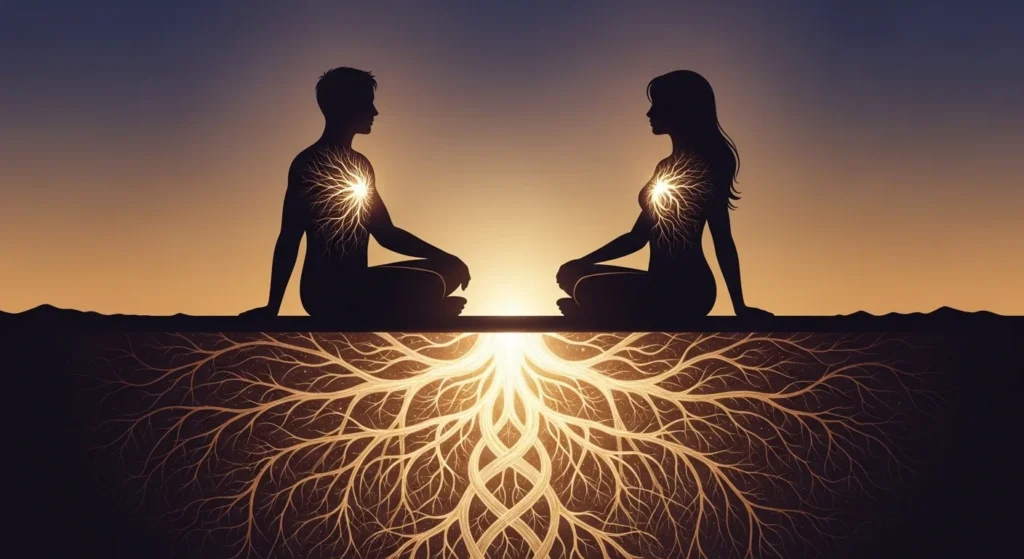
Emotional soul ties are the most common type. They form through strong feelings, deep friendships, long relationships, and shared life moments that leave marks on your heart. You do not need to touch someone to build this kind of tie. All you need is time, trust, and truth shared between two people.
Think of a friend who sat with you through your worst days. Or a partner who knew your fears before you even said them out loud. That level of closeness creates something deep. It is like roots growing underground; you do not see them, but they hold everything together.
How it feels: The thoughts never leave your mind. You wake up thinking about them. You fall asleep with their voice in your head. It is like a song that gets stuck on repeat — no matter what you do, the melody keeps playing.
Common causes: Long relationships that ended suddenly. Deep friendships that fell apart. A parent or family member whose approval you still chase years later. A mentor whose words shaped you like water shapes a riverbed.
Signs of emotional soul ties:
- Obsessive thinking about one specific person
- Emotional dependency — your mood rises and falls with theirs
- Struggling to form new connections because old ones still have a grip
- Feeling a hollow ache when you are reminded of them
- Comparing every new person to the one who left
Emotional soul ties can be healthy when both people grow together. But they become harmful when one person moves on and the other stays stuck, like a clock that stopped ticking while the world keeps spinning.
2. Sexual Soul Ties
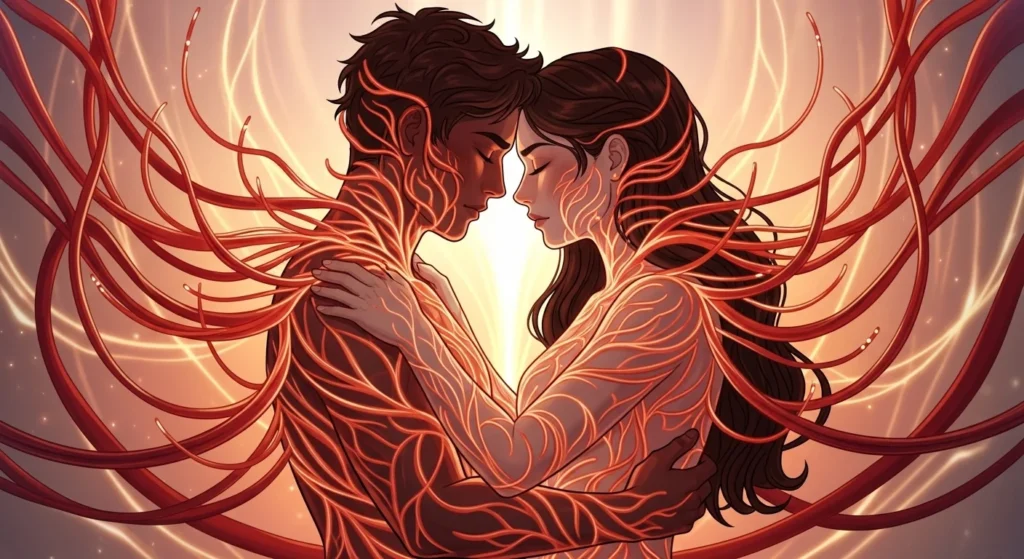
Sexual soul ties are some of the strongest bonds you can form with another person. When two people share physical intimacy, something happens that goes far beyond the body. It is like mixing two colors of paint in one jar. Once they blend, you cannot separate them back into what they were before.
Science backs this up. During physical closeness, your brain releases chemicals like oxytocin and dopamine. These are the same chemicals that bond a mother to her newborn child. So when people ask, “Does sex create soul ties?” the answer is yes, in more ways than one. Your body, your brain, and your heart all get involved at the same time.
Why it happens: Hormones and emotions blend together like sugar dissolving in warm water. You cannot see where one ends and the other begins. Physical closeness pulls the heart closer, and before you know it, a bond forms that is hard to undo.
Signs of sexual soul ties:
- Intense longing for a past partner that will not go away
- Emotional pain after a breakup that feels deeper than it should
- Difficulty being fully present with a new partner
- Feeling like part of you still belongs to someone from your past
- Shame, guilt, or confusion tied to past experiences
Many cultures and faiths talk about the power of sexual connection and why it matters who you share it with. In the Bible, 1 Corinthians 6:16 warns that physical intimacy creates a bond, “the two become one flesh.” Whether you look at it from a spiritual, emotional, or scientific view, the message is the same: intimacy ties people together in ways that are not easy to untangle.
A sexual soul tie inside a loving, committed relationship can be one of the most beautiful bonds in the world. But when it forms outside of safety and trust, it can leave wounds that take years to heal, like a sunburn that keeps peeling long after the summer ends.
3. Spiritual Soul Ties

Spiritual soul ties are the kind that make you feel connected to someone in a way that goes beyond this physical world. It is like two candles burning side by side, their light blends into one glow, and you cannot tell where one flame ends and the other begins.
These ties form through shared spiritual experiences. Maybe you prayed with someone during the hardest season of your life. Maybe you sat in silence with a person and felt a peace that words could never explain. Maybe you met someone and felt an instant “knowing” like your spirits recognized each other before your minds did.
How spiritual soul ties form:
- Praying together or sharing deep spiritual moments
- Worshipping in the same space and feeling a shared presence
- Going through spiritual battles or breakthroughs together
- An energetic or unexplainable sense of connection across distance
Signs of spiritual soul ties: You feel spiritually connected to someone even when you have not seen them in months or years. You carry a strong inner knowing about them, almost like your spirit sends quiet updates about theirs. You feel peace around them, or sometimes a warning in your gut that something is off.
Not all spiritual connections are healthy, though. Ungodly soul ties can form through spiritual manipulation, false leadership, or situations where someone uses faith to control another person. These ties feel heavy and confusing, like walking through thick fog where you cannot see the path ahead.
A healthy spiritual connection with someone should make you feel closer to your own truth, not further from it. It should bring clarity, not confusion. It should lift you like a warm breeze, not hold you down like an anchor in deep water.
4. Trauma-Based Soul Ties
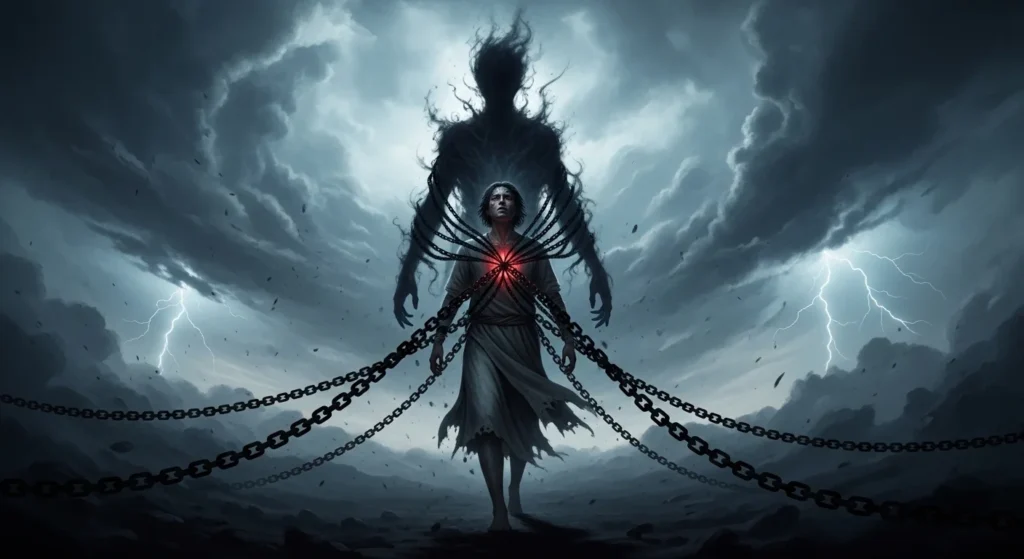
Trauma-based soul ties are the ones that hurt the most. They form through pain, fear, and suffering. These are the bonds that keep you tied to people who are not good for you, not because you love them, but because your brain got stuck in survival mode and confused danger with devotion.
Think about it like this. When you go through something painful with another person, your brain files that experience in the “important” folder. It tags that person as significant, whether they deserve it or not. The bond forms not from joy but from the shared weight of something heavy.
It is like glue mixed with dirt — sticky but harmful. You hold on not because it feels good, but because letting go feels terrifying.
Why trauma-based soul ties happen: Love and suffering blend until you cannot tell them apart. Your nervous system gets wired to expect chaos. Calm feels boring. Drama feels like passion. And the person who caused the storm starts to feel like the only one who can shelter you, even though they are the reason you need shelter in the first place.
Signs of trauma-based soul ties:
- You want to leave, but feel completely stuck
- Fear and love feel like the same thing
- You make excuses for behavior that hurts you
- You feel anxious when things are peaceful
- The relationship follows a cycle of breakup and reunion
The difference between a trauma bond vs soul tie is mostly about language. In therapy, people call it a trauma bond. In spiritual circles, people call it a toxic soul tie. But the experience is the same; you are tied to someone through pain instead of peace.
Healing from a trauma-based soul tie often requires more than willpower. It requires professional help, patience, and a willingness to sit with uncomfortable feelings until they slowly loosen their grip like peeling off a bandage one corner at a time.
Soul Ties Comparison
Here is a simple table to help you see the differences between each type of soul tie at a glance. Think of it like a map — it shows you where you are so you can decide where you want to go.
|
Type |
How It Forms |
Key Signs |
Is It Healthy? |
|
Emotional |
Feelings & closeness |
Constant thinking, dependency |
Sometimes |
|
Sexual |
Physical intimacy |
Longing & deep pain |
Depends on context |
|
Spiritual |
Shared spiritual experiences |
Inner knowing, peace, or unease |
Can be very positive |
|
Trauma-Based |
Painful experiences |
Confusion, fear, stuck feeling |
Harmful |
This table is just a starting point. Every person’s experience is different. But seeing the patterns laid out like this can help you name what you are feeling — and naming something is the first step toward understanding it.
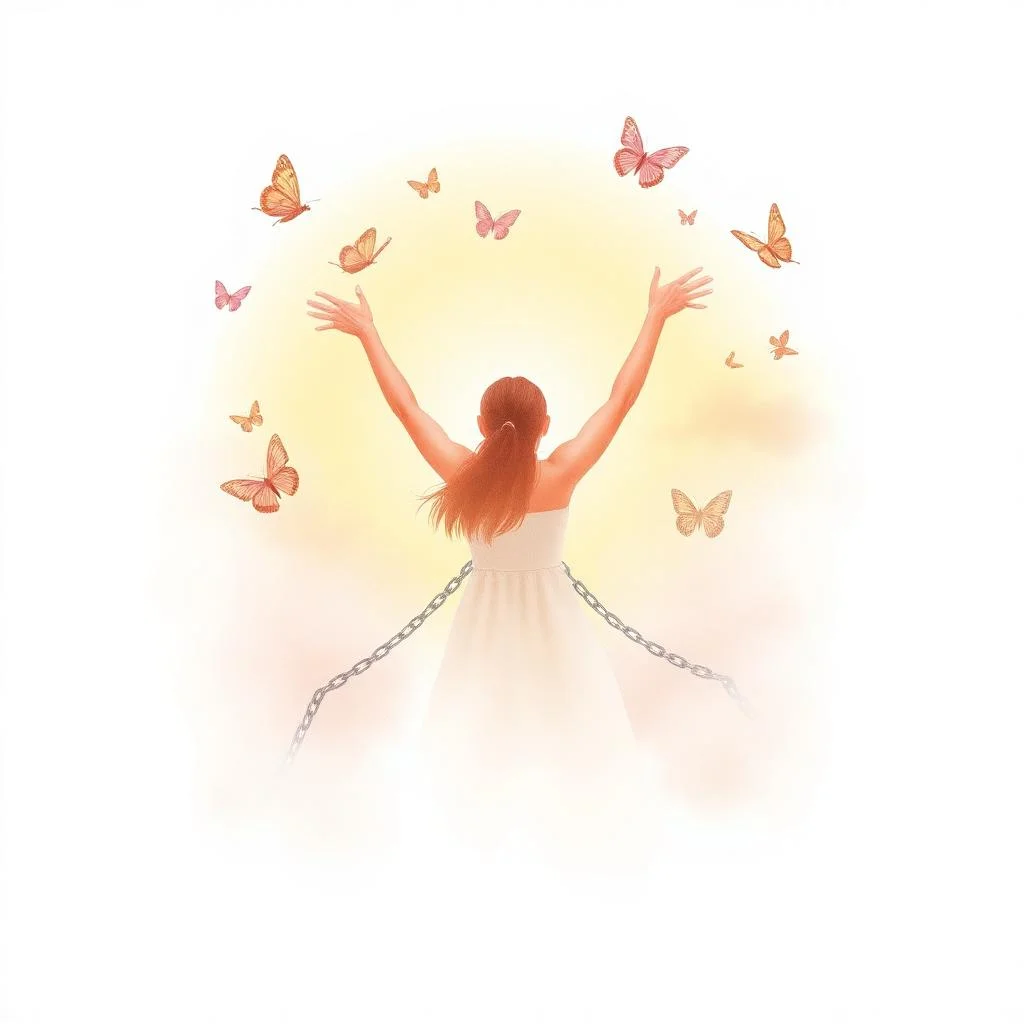
Are All Soul Ties Bad?
No. Absolutely not. And this is one of the biggest misunderstandings out there. People hear the words “soul tie” and immediately think something is wrong. But that is like hearing the word “fire” and assuming it only burns. Fire also warms. It also lights the way in darkness. It also cooks the food that feeds your family.
Healthy soul ties are real, and they are beautiful. The bond between a loving husband and wife — that is a soul tie. The deep friendship between two people who have walked through life together for twenty years — that is a soul tie. The connection between a parent who stayed up all night rocking a crying baby — that is a soul tie too.
Good soul bonds share a few things in common:
- Both people feel respected and valued
- The bond makes you feel free, not trapped
- You grow as a person because of the connection
- There is trust, not suspicion
- The connection brings peace to your spirit, not chaos
Positive soul ties help you become more of who you are, not less. They are like rain falling on a garden — they help things grow. The question is not whether soul ties are good or bad. The question is whether the particular tie in your life is helping you bloom or causing you to wilt.
How to Break Unhealthy Soul Ties

If you have read this far and realized that one of the bonds in your life is doing more harm than good, there is hope. Breaking a soul tie is not easy — it is like pulling a deeply rooted weed from the ground. It takes effort, and sometimes it hurts. But once it is out, the garden of your life has room to grow again.
Here are the steps that many people have found helpful in their healing from soul ties:
Step 1: Recognition
You cannot fix what you will not face. The first step is being honest with yourself. Sit down in a quiet place and ask: “Is this bond helping me or holding me back?” Name it. Say it out loud if you have to. Naming the tie gives you power over it, like turning on a light in a dark room; the shadows lose their grip.
Step 2: Emotional Healing
Allow yourself to grieve. Letting go of a soul tie means letting go of a version of yourself that existed inside that bond. That takes time. Cry if you need to. Write in a journal. Talk to a friend who listens without judging. Give your heart the space it needs to breathe again.
Step 3: Setting Boundaries
Boundaries are like fences around a garden; they keep the harmful things out and let the good things grow. This might mean limiting contact, unfollowing on social media, or saying “no” to situations that pull you back into old patterns. Boundaries are not mean. They are medicine.
Step 4: Prayer or Spiritual Practice
Many people find healing through prayer. A simple prayer might be: “Lord, I release this bond that is holding me back. I ask you to cut the ties that are not from you and replace them with your peace.” Whether you pray, meditate, or simply speak your intention into the quiet, inviting something bigger than yourself into the healing process can make a real difference.
Step 5: Professional Help
Some ties go so deep that you need a guide to help you find the way out. A counselor, therapist, or trusted spiritual leader can walk with you through the process. There is no shame in asking for help. Even the strongest trees need the wind to scatter their seeds — you do not have to do everything alone.
Emotional Attachment vs Soul Tie: What Is the Difference?
People often use these terms as if they mean the same thing, but there is a difference, and it matters. An emotional attachment is a normal, healthy part of being human. We all get attached to people we care about. It is how we are wired. Babies attach to their mothers. Friends attach. Partners attach through shared life.
A soul tie goes deeper. It is not just attachment, it is fusion. An attachment lets you miss someone when they are gone. A soul tie makes you feel like a part of you is gone with them. Attachment can loosen naturally over time, like a knot that slowly unties. A soul tie often needs to be deliberately broken because it does not let go on its own.
Think of it this way: emotional attachment is like holding someone’s hand. A soul tie is like having your fingers glued together. One is a choice. The other takes effort to undo.
The Bible and Soul Ties
The Bible and soul ties have a long, deep relationship, even if the exact phrase never appears in scripture. The idea of two souls being bonded together runs through the Bible like a golden thread.
In 1 Samuel 18:1, we read about David and Jonathan: “the soul of Jonathan was knit to the soul of David.” This was a healthy, godly soul tie between two men bound by loyalty, friendship, and deep love for God and for each other. Their bond made both of them stronger.
In Genesis 34:3, we see a different kind of soul tie: “His soul was drawn to Dinah.” This bond formed through trauma and was not healthy. It shows that the Bible recognizes both kinds of ties, those that honor God and those that lead to pain.
When people look for dangerous soul bonds in scripture, they often point to warnings about sexual immorality, unequal partnerships, and relationships that pull people away from their faith. The message is not that the connection is wrong; it is that not every connection is right for you.
The Bible teaches that our deepest bond should be with God first, and that human connections should flow from that foundation like branches growing from a strong trunk.
Final Thoughts
Soul ties are part of being human. We are made for deep, real, lasting connections. But not every bond we form is good for us. Some lift us higher. Some hold us back. And learning to tell the difference is one of the most important things you will ever do.
Whether your soul tie is emotional, sexual, spiritual, or trauma-based, there is a path forward. It may not be easy. It may not be quick. But like the sun that always rises after the longest night, healing is always possible.
Take care of your heart. Guard your spirit. Choose the bonds that make you stronger, and have the courage to release the ones that do not. You are worth every step of that journey.
Frequently Asked Questions About Soul Ties
Are soul ties real?
Yes. While the term “soul tie” is not a scientific word, the experience behind it is very real. Emotional bonds, trauma bonds, and deep spiritual connections are recognized by both psychology and faith traditions. If you have felt a pull toward someone that goes beyond logic, you have experienced what people mean by a soul tie.
How long do soul ties last?
There is no set timeline. Some soul ties fade over months. Others last for years, even decades. The length depends on how deep the bond was, how it formed, and whether you take active steps to heal. Without intentional effort, an unhealthy soul tie can linger like smoke in a closed room; it takes a while for the air to clear.
Can soul ties be one-sided?
Absolutely. One person can feel deeply tied to someone who has already moved on. This often happens when one person invests far more emotionally than the other. It is one of the most painful experiences, like shouting into an empty room and hearing nothing but your own echo.
Can soul ties be positive?
Yes, absolutely. A soul tie between loving partners, close friends, or family members can be one of the most nourishing things in life. The key is whether the bond builds you up or tears you down. Healthy soul ties feel like open doors. Unhealthy ones feel like locked cages.
How do I know if I have a soul tie?
If you cannot stop thinking about a person, if your emotions are controlled by their presence or absence, if you feel physically or spiritually connected to someone even after time apart, you likely have a soul tie. The signs we discussed above are a good place to start checking.
What is the difference between a soul tie and a soulmate?
A soulmate is usually seen as a person who fits well with you, someone who complements your life. A soul tie is the bond itself, the invisible thread between two people. You can have a soul tie with someone who is not your soulmate, and you can have a soulmate without a harmful soul tie. They are related ideas, but not the same thing.
Can you break a soul tie on your own?
You can begin the process on your own through prayer, journaling, and setting boundaries. But for deeper ties, especially trauma-based ones, working with a counselor or spiritual leader is often needed. Healing is not a sign of weakness. It is a sign of courage.